
Last updated:
Can a Calorie Deficit Make It Hard to Sleep?
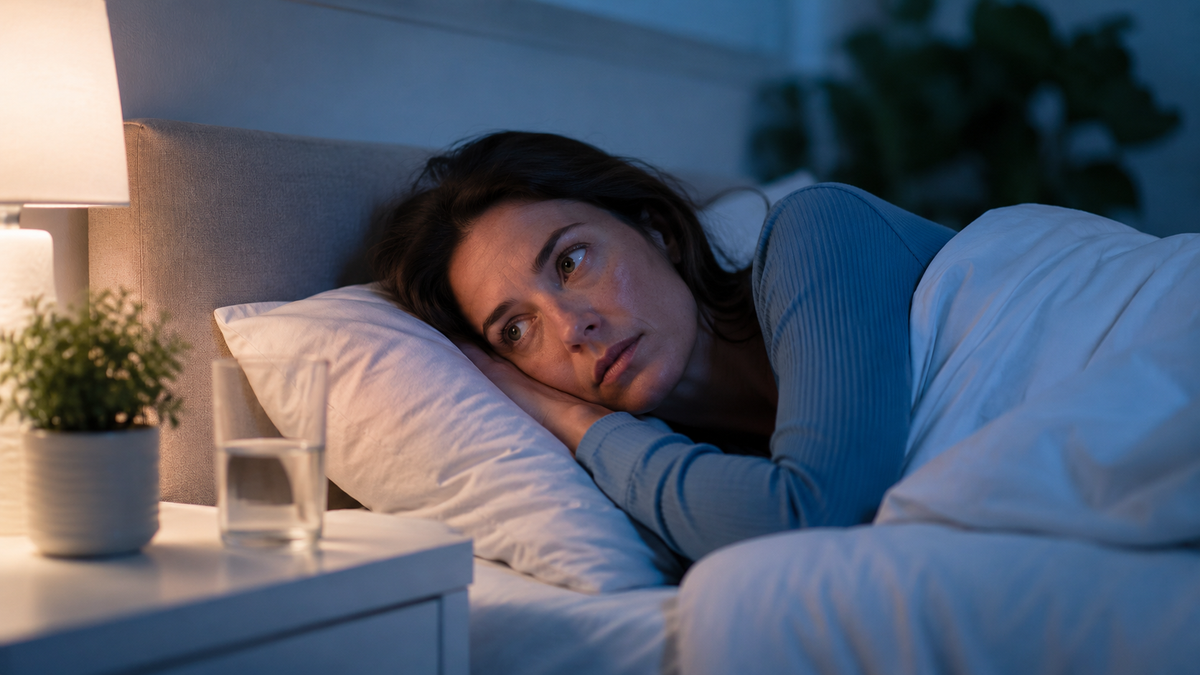
Yes, a calorie deficit can make it harder to sleep for some people, especially if the deficit is too aggressive, meals are poorly timed, hunger is waking you up, or caffeine is being used to manage daytime tiredness. In my experience, calorie deficit and sleep problems are usually linked to a combination of hunger, stress hormones, disrupted routines and under-fuelling rather than the calorie deficit alone.
A sensible calorie deficit should still allow you to sleep, recover and function during the day. If you are regularly lying awake, waking hungry, feeling dizzy, or becoming exhausted, it is a sign to review how your diet is structured and to speak to a pharmacist, GP or qualified healthcare professional if symptoms persist.
Key Points
- A calorie deficit can affect sleep if it is too large, poorly timed, or leaves you going to bed hungry.
- Sleep problems during dieting are often linked to hunger, low energy intake, increased stress, late caffeine use or overtraining.
- Poor sleep can make weight loss harder by increasing cravings, tiredness and the likelihood of overeating the next day.
- A smaller, steadier deficit is usually easier to maintain than a very restrictive plan that affects sleep and recovery.
- If sleep problems are persistent, severe, or linked with dizziness, palpitations, anxiety or disordered eating patterns, it is sensible to seek medical advice.
Contents
Jump to the section you need:
Why a calorie deficit can affect sleep
A calorie deficit means you are eating fewer calories than your body uses, which is the basic principle behind fat loss. For many people, a modest deficit is manageable and does not cause sleep problems. I tend to see sleep issues when the deficit is too steep, protein and fibre intake are low, meals are pushed too early in the day, or people are trying to combine hard training with very restricted eating.
The most common pattern I hear from patients is not simply, “I cannot sleep because I am dieting.” It is usually more specific. They might be going to bed hungry, waking at 3am thinking about food, feeling wired despite being tired, or relying on extra coffee because they feel flat during the day. Those small changes can build up and disturb sleep.
Your body also responds to reduced energy intake. If you cut calories too sharply, you may feel colder, more alert at night, more irritable, or less able to relax. That does not mean a calorie deficit is unsafe for everyone, but it does mean the size and structure of the deficit matters. For anyone unsure where to start, using a calorie deficit calculator can help estimate a more realistic target rather than guessing or cutting food too drastically.
| Possible trigger | How it may affect sleep | What to review |
|---|---|---|
| Very large calorie deficit | May increase hunger, restlessness and night-time waking | Daily calorie target and rate of weight loss |
| Low protein or low fibre intake | May leave you less satisfied after meals | Meal balance, portion quality and evening meal content |
| Late caffeine use | Can delay sleep and make sleep lighter | Coffee, energy drinks, pre-workout and cola intake |
| Intense exercise while under-fuelled | May make the body feel stressed or overstimulated | Training load, rest days and meal timing |
Key takeaway: A calorie deficit is more likely to disturb sleep when it is too restrictive, poorly balanced, or combined with hunger, caffeine and high stress.
Signs your calorie deficit may be too aggressive
A calorie deficit should feel manageable most of the time. It is normal to feel some hunger while losing weight, but it should not leave you feeling unwell, unable to concentrate, constantly cold, or unable to sleep. In my experience, patients often underestimate how much a severe deficit affects the rest of their day. They focus on the scale moving quickly, then only realise later that their energy, mood and sleep have suffered.
Sleep is often one of the first signs that a plan is not sustainable. If you are waking in the night hungry, obsessing over food, feeling anxious around meals, or using caffeine to push through tiredness, the issue may not be willpower. It may be that the deficit is too large for your current lifestyle, job, training schedule or health needs.
I also pay attention to symptoms that suggest someone needs more support. Dizziness, fainting, palpitations, worsening anxiety, missed periods, binge eating episodes, or feeling out of control around food should not be ignored. A pharmacist or GP can help you decide whether your symptoms are linked to diet, sleep, medication, stress, or another health issue.
| Symptom or pattern | What it may suggest | Sensible next step |
|---|---|---|
| Waking hungry most nights | Evening intake may be too low or poorly balanced | Review meal timing, protein, fibre and calorie target |
| Feeling wired but tired | Stress, caffeine, under-fuelling or overtraining may be involved | Review caffeine timing, training load and recovery |
| Dizziness or fainting | Possible under-fuelling, dehydration, low blood pressure or another cause | Seek medical advice, especially if recurrent or severe |
| Binge eating after restriction | The plan may be too rigid or psychologically difficult | Speak to a healthcare professional or dietitian for support |
Key takeaway: If your calorie deficit is repeatedly affecting your sleep, energy, mood or safety, it is a sign to review the plan rather than simply push harder.
How poor sleep can affect weight loss
Poor sleep can make weight loss harder, even when your calorie target looks sensible on paper. I often explain to patients that sleep is not just about feeling rested. It affects appetite, food choices, motivation, training recovery and how consistent you feel able to be the next day.
After a bad night, many people feel hungrier and less satisfied by their usual meals. They may crave higher-calorie foods, snack more in the evening, or skip planned exercise because they feel drained. This can create a frustrating cycle: the diet affects sleep, poor sleep makes the diet harder, and the person then tries to restrict even more to compensate.
Research also suggests sleep restriction can influence body composition during weight loss. In other words, the number on the scale is not the only thing that matters. If poor sleep affects recovery, hunger and activity, it may become harder to lose fat while preserving lean tissue. This is why I prefer a plan that patients can sustain for months, rather than one that looks impressive for two weeks but leaves them exhausted.
For people using weight loss medication, the same principle applies. If you are using or considering Mounjaro injections, appetite changes, reduced food intake and routine changes can all affect how you feel day to day. If sleep is a particular issue while using tirzepatide, our guide to Mounjaro sleep issues covers that topic in more detail.
Key takeaway: Poor sleep can increase hunger, cravings and tiredness, which can make a calorie deficit harder to maintain consistently.
Practical ways to support sleep while dieting
How much sleep should you aim for? Most adults need around 7–9 hours a night, although individual needs vary. Allow enough time for sleep rather than cutting rest to fit in extra exercise. A regular waking time and a dark, quiet bedroom can help support a consistent routine.
The first thing I look at is not usually a supplement or a complicated sleep routine. I look at the basics: how large the calorie deficit is, whether meals are balanced, whether the person is eating enough protein and fibre, and whether they are leaving too many calories unused until they are already exhausted. Small adjustments can make a noticeable difference.
Meal timing matters for some people. Going to bed uncomfortably full can disturb sleep, but going to bed genuinely hungry can do the same. A balanced evening meal, or a planned small evening snack that fits within your calorie target, may be more helpful than trying to stop eating very early and then lying awake hungry. This is especially relevant for shift workers, parents of young children, and people training in the evening. For practical meal ideas, see what to eat on a calorie deficit.
Caffeine is another common issue. People in a calorie deficit often feel tired, so they add extra coffee, energy drinks or pre-workout. That may help in the afternoon, but it can also make it harder to fall asleep later. I normally ask patients to think honestly about the timing and total amount of caffeine, not just whether they drink coffee at all.
Sleep hygiene still matters, but it works best when the diet itself is realistic. A consistent bedtime, a cooler room, less screen time before bed, and a wind-down routine may help. But if you are severely under-fuelled, those steps may not be enough on their own. The goal is to build a calorie deficit that supports fat loss without making sleep feel like a nightly battle.
| Area to review | Why it matters | Practical example |
|---|---|---|
| Calorie target | A very steep deficit can increase hunger and fatigue | Use a realistic target rather than cutting as low as possible |
| Evening meal | A balanced meal may reduce night-time hunger | Include protein, fibre-rich carbohydrates and vegetables |
| Caffeine | Late caffeine can delay sleep onset | Review coffee, energy drinks and pre-workout after lunch |
| Training | Hard exercise needs adequate recovery | Avoid combining very low calories with high training volume without support |
Key takeaway: Better sleep in a calorie deficit usually comes from a realistic calorie target, balanced meals, sensible caffeine timing and enough recovery.
When to seek professional advice
Could it be sleep apnoea? Do not assume repeated waking or daytime exhaustion is caused only by dieting. Loud snoring, gasping or choking during sleep, or someone noticing that your breathing stops and starts, warrant a GP assessment. Weight loss may help some people with sleep apnoea, but it does not replace assessment or prescribed treatment. Avoid driving when sleepy.
Most short-term sleep disruption during weight loss can be improved by adjusting routine, food structure and caffeine habits. However, I do not think persistent insomnia should be brushed off as “just dieting”. If you are regularly sleeping badly for several weeks, struggling to function during the day, or feeling anxious about food and sleep, it is sensible to speak to a healthcare professional.
You should seek advice sooner if you have symptoms such as fainting, chest pain, palpitations, severe dizziness, confusion, very low mood, panic symptoms, or signs of disordered eating. The same applies if you have diabetes, take medicines that can affect blood sugar or blood pressure, are pregnant, breastfeeding, have a history of eating disorders, or have a medical condition that makes weight loss more complex.
If you are using prescription weight loss treatment, do not change your dose or stop medication without checking the appropriate guidance or speaking to a prescriber. Appetite suppression can make it easier to eat less, but it can also make it easier to under-eat without realising. A review with a pharmacist or prescriber can help check whether your calorie intake, symptoms and treatment plan are still appropriate.
Key takeaway: Ongoing insomnia, severe tiredness, dizziness, palpitations, anxiety or unsafe eating patterns should be discussed with a pharmacist, GP or prescriber.
Summary: Calorie Deficit and Sleep
A calorie deficit can affect sleep if it is too aggressive or poorly structured, but it should not leave you exhausted, unwell or unable to function.
- A calorie deficit may make sleep harder if hunger, caffeine, stress or under-fuelling are involved.
- Going to bed hungry or waking hungry may suggest your meal timing or calorie target needs reviewing.
- Poor sleep can increase cravings, reduce motivation and make weight loss harder to sustain.
- A smaller, steadier calorie deficit is often more realistic than a severe restriction.
- Meal balance, protein, fibre and caffeine timing can all influence sleep quality.
- Persistent insomnia, dizziness, palpitations or disordered eating patterns should be discussed with a healthcare professional.
If you have questions about weight loss, use the Happy Pharmacy calorie deficit calculator as a starting point and speak to the Happy Pharmacy team before making major changes to your diet or treatment plan.
Frequently Asked Questions
Can a calorie deficit make it hard to sleep? ⌄
Yes, I do see this in some patients, especially when the calorie deficit is too large or their meals are not keeping them satisfied. Hunger, low energy intake, late caffeine and stress can all make it harder to fall asleep or stay asleep. A modest calorie deficit should not usually cause severe insomnia. If sleep problems continue despite adjusting your routine, it is sensible to speak to a pharmacist or GP.
Does a calorie deficit reduce sleep quality? ⌄
It can reduce sleep quality for some people, but it does not happen to everyone. I usually see problems when someone is under-eating, exercising heavily, skipping meals, or relying on caffeine to get through the day. Sleep quality can also be affected by stress, alcohol, screen use, shift work and other health conditions, so the calorie deficit may only be one part of the picture. If you are waking often, struggling to fall asleep or feeling exhausted in the day, your overall routine needs reviewing.
Why am I not able to sleep on a calorie deficit? ⌄
The most likely reasons are hunger, a calorie target that is too low, poor meal timing, too much caffeine, or feeling physically stressed from combining dieting with intense exercise. Some patients also become more anxious when they are tracking food very tightly, which can make it harder to switch off at night. I would normally look at your evening meal, protein and fibre intake, caffeine timing and rate of weight loss. If there are symptoms such as dizziness, fainting, palpitations or severe anxiety, you should get medical advice.
Should I eat before bed if I am hungry in a calorie deficit? ⌄
If hunger is stopping you sleeping, it may be worth reviewing how your calories are spread across the day. A planned small snack that fits your daily target may be more sensible than repeatedly lying awake hungry and then overeating the next day. I would usually look for something that feels satisfying rather than sugary or very heavy, but individual needs vary. If night-time hunger is happening most nights, the bigger issue may be that your calorie deficit is too aggressive.
Can poor sleep stop me losing weight? ⌄
Poor sleep does not cancel out a calorie deficit, but it can make weight loss much harder to stick to. People often feel hungrier, crave higher-calorie foods and move less after a poor night of sleep. It can also affect mood and motivation, which are important for consistency. I see sleep as one of the foundations of a sustainable weight loss plan, not an optional extra.
Can Mounjaro affect sleep while I am eating less? ⌄
Some people using Mounjaro report changes in sleep, although sleep problems can have several causes, including lower food intake, nausea, reflux, anxiety, caffeine or changes in routine. If appetite suppression means you are eating much less than usual, under-fuelling may contribute to poor sleep or night-time waking. You should not change your dose without speaking to your prescriber. For a more specific explanation, I would point patients towards our guide on Mounjaro sleep issues.
A Note from Our Pharmacist
Nigel Howard, Independent Prescriber, Happy Pharmacy
In my experience, the patients who struggle most with sleep during a calorie deficit are often not doing anything obviously “wrong”. A typical example would be someone who has cut calories quite sharply, skipped breakfast to save calories, trained after work, then had a very light evening meal. By bedtime they feel tired but strangely alert, and they wake in the early hours hungry or restless. They often think they need more discipline, but the real issue is usually that the plan is too harsh for their routine.
My practical takeaway is that good weight loss support should consider sleep, hunger, mood and energy, not just the number on the scales. If a calorie deficit is affecting your sleep every night, I would see that as useful feedback from your body. It does not mean you cannot lose weight, but it does mean the approach may need adjusting so it is safer, steadier and easier to maintain.
References
1. NHS – Insomnia
• NHS guidance covering insomnia, common causes of sleep problems and when to seek help – NHS insomnia guidance
2. NHS – Sleep and tiredness
• NHS advice on sleep, tiredness and lifestyle factors that can affect rest and daytime energy – NHS sleep and tiredness guidance
3. NHS Better Health – Calorie counting
• NHS guidance on calorie intake and calorie reduction for weight loss in adults – NHS calorie counting guidance
4. NHS – Understanding calories
• NHS guidance explaining calories, balanced eating and healthy calorie sources – NHS understanding calories guidance
5. NICE – Overweight and obesity management NG246
• NICE guideline covering the prevention and management of overweight, obesity and central adiposity in adults, children and young people – NICE NG246 guidance
6. Nedeltcheva et al. – Insufficient sleep undermines dietary efforts to reduce adiposity
• Peer-reviewed study examining sleep restriction during calorie restriction and its effects on fat loss and hunger-related adaptations – PubMed study abstract
7. Wang et al. – Influence of sleep restriction on weight loss outcomes
• Clinical trial evidence exploring how sleep restriction may affect body composition during a hypocaloric weight loss programme – PubMed study abstract
8. NHS – Sleep apnoea
Symptoms, assessment and treatment: NHS sleep apnoea guidance.


Share:
Silencing The Food Noise : How Weight Loss Injections Can Help
What to Eat on a Calorie Deficit