
Introduction
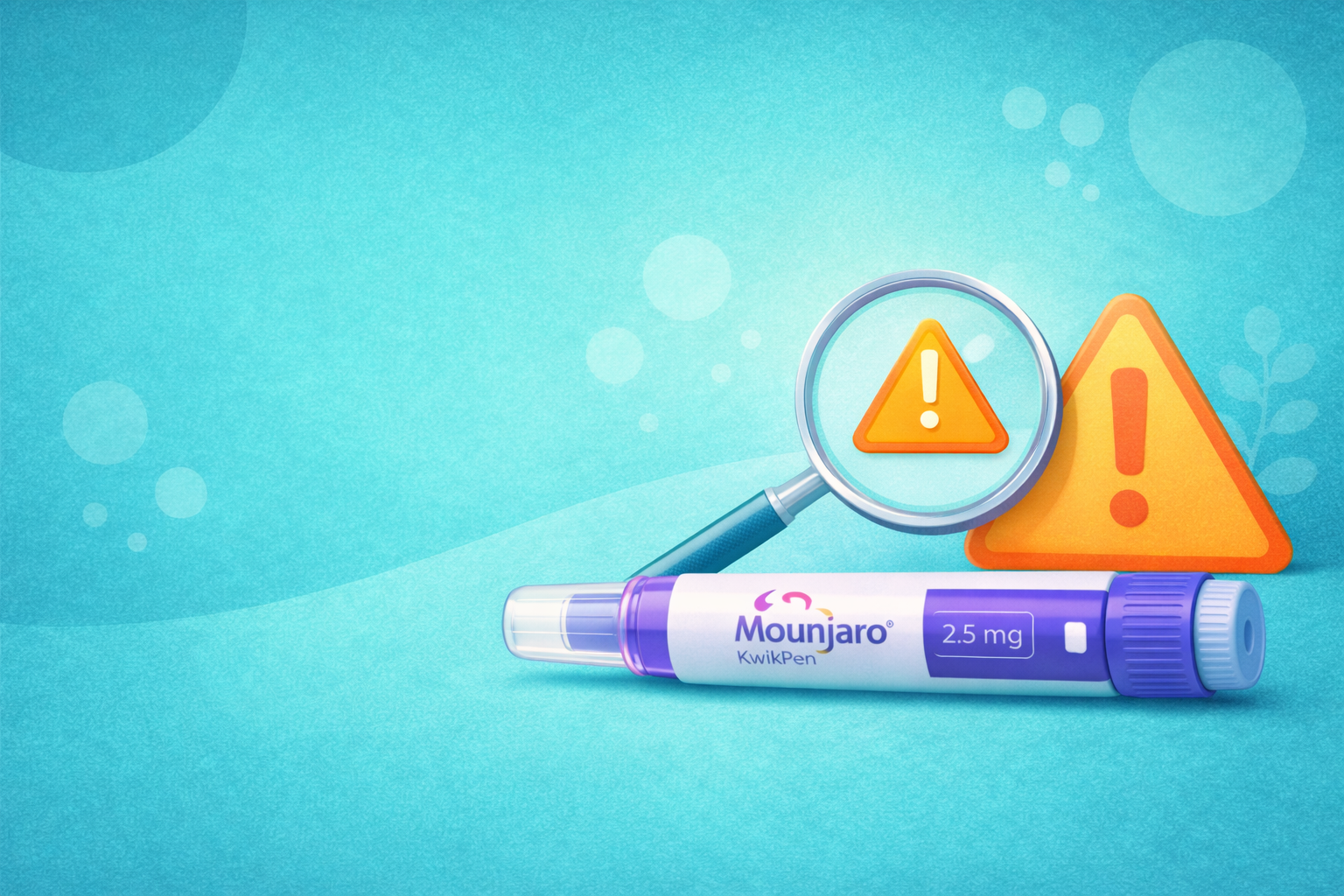
If your Mounjaro pen is not working, feels stuck, will not inject properly, or appears to malfunction, it can be worrying, especially if you are due to take your weekly dose. In many cases, a Mounjaro pen that seems jammed or faulty is caused by a simple issue such as incorrect preparation, a blocked needle, medication that is too cold, or not holding the pen in place for long enough during injection.
This guide explains the most common Mounjaro pen problems, how to troubleshoot them safely, and when to contact your pharmacy for further advice or a replacement. As a GPhC-registered online pharmacy, Happy Pharmacy provides support to help patients use Mounjaro weight loss injections confidently and safely.
Understanding Your Mounjaro Pen: The Basics
Mounjaro (tirzepatide) is a prescription weight loss treatment that comes in a pre-filled pen for subcutaneous injection. Clinical trials have shown that tirzepatide can support significant weight loss when used alongside appropriate lifestyle changes, with many patients achieving substantial reductions in body weight over time.
The pen is designed to make weekly treatment more convenient, but it also contains built-in safety features. These safety mechanisms help prevent incorrect use, but they can also make the pen seem faulty if a step has been missed during preparation or administration.
If your Mounjaro pen is not working as expected, it is important not to panic or inject again immediately. First, check the most common causes and work through the problem methodically.
Quick Troubleshooting Checklist
Before assuming your Mounjaro pen is faulty, work through these common checks. Many pen problems are caused by preparation, temperature, needle attachment, or injection technique rather than a true device malfunction.
Check the needle
Make sure a new needle is attached securely and that all caps have been removed correctly before injecting.
Let it reach room temperature
If the pen has just come from the fridge, leave it out for around 30 minutes before use.
Perform the flow test
Carry out the recommended safety or flow check to confirm medication can pass through the needle properly.
Hold for 5 seconds
After pressing the injection button, keep the pen against your skin for at least 5 seconds before removing it.
Check the dose counter
After injecting, confirm that the dose counter has returned to zero to help verify the dose was delivered.
Most Common Mounjaro Pen Problems and Solutions
Mounjaro Pen Won’t Inject or Feels Jammed
One of the most common complaints is that the Mounjaro pen feels stuck, the injection button will not depress properly, or the medication does not appear to inject.
Common causes include:
The pen has not been prepared correctly
Before using the pen, you need to remove the pen cap, attach a fresh needle, and complete the required preparation steps. If any of these steps are missed, the pen may not activate properly.
The medication is too cold
A Mounjaro pen taken straight from the fridge may feel more resistant during injection. Allowing it to reach room temperature first can make administration easier and more comfortable.
The needle is blocked, bent, or damaged
If the needle has been touched, bent, reused, or not attached securely, medication may not flow properly.
The injection button has not been pressed fully
Some patients stop too soon or do not press firmly enough, particularly when they are new to self-injection.
What to do
Check that the needle is attached securely and that you have used a new sterile needle. If appropriate, perform the recommended safety check to confirm that medication appears at the tip. If nothing appears and the pen still will not inject, the pen may be faulty and you should contact your prescriber rather than forcing the device.
Do not try to force the injection button aggressively, as this could damage the device further or make it harder to tell whether the dose has been delivered correctly.
Medication Leaking from the Pen or Injection Site
If you notice droplets of medication at the needle tip, on the outside of the pen, or around the injection site, you may worry that you have not received your full dose.
This is often caused by:
Removing the needle too quickly
After pressing the injection button, the pen should be kept in place against the skin for at least five seconds to allow the full dose to be delivered.
Needle reuse
Reusing needles increases the chance of leakage, drag, and incomplete delivery.
Poor injection technique
Injecting at the wrong angle or into an unsuitable area can cause medication to pool near the skin surface.
What to do
Inject at a 90-degree angle into a suitable site such as the abdomen, thigh, or upper arm. Keep the pen pressed in place for at least five seconds after the button has been fully depressed. Use a fresh needle every time, and avoid rushing the process.
A tiny droplet does not always mean the full dose has failed, but if a large amount of medication appears to leak out or you are unsure whether you received your dose, contact your prescriber before taking any additional medication.
Mounjaro Dose Counter Problems
The dose counter helps confirm whether the injection has been completed correctly. If the counter does not move properly, shows the wrong number, or does not return to zero, it can be difficult to know whether the dose has been administered.
Possible reasons include:
The pen does not contain enough medication for the selected dose
If the pen will not dial or the counter stops unexpectedly, there may not be enough medication remaining.
The injection was not completed fully
If the button was not pressed all the way down or held long enough, the counter may not behave as expected.
The pen mechanism is malfunctioning
In rarer cases, a genuine device fault may prevent the counter from moving correctly.
What to do
Check the selected dose carefully before injecting. After injection, confirm whether the counter has returned to zero. If it has not, do not automatically take another dose. You may have received part of the medication already, and taking more without advice could result in an incorrect dose.
What Not to Do if Your Mounjaro Pen Is Not Working
If your Mounjaro pen seems faulty, avoid these common mistakes:
-
Do not force the injection button
-
Do not reuse the same needle
-
Do not take a second dose immediately
-
Do not use the pen if the medication looks cloudy, discoloured, or contains particles
-
Do not continue using a pen that is cracked, damaged, or dropped heavily
-
Do not store the pen with the needle still attached
Avoiding these mistakes can reduce the risk of dosing errors, leakage, contamination, and device problems.
Could You Have Received a Partial Dose?
One of the biggest concerns when a Mounjaro pen malfunctions is whether you may have received some but not all of your Mounjaro dose.
A partial Mounjaro dose may be possible if:
-
the pen clicked but leaked significantly
-
the dose counter did not return to zero
-
you removed the pen too quickly
-
the needle was blocked during part of the injection
If you suspect this has happened, do not guess and do not take another full dose without advice. Contact your pharmacy or prescriber and explain exactly what happened, including whether the pen clicked, whether any medication leaked, and what the dose counter showed afterwards.
This is particularly important if you are early in treatment and following a structured Mounjaro dosage schedule, as taking too much can increase the risk of side effects.
Proper Storage: Preventing Problems Before They Start
Many apparent Mounjaro pen malfunctions are actually linked to storage problems rather than a manufacturing fault.
Refrigeration Requirements
Unused Mounjaro pens should be stored in a refrigerator at 2°C to 8°C. They should be kept away from the freezer compartment and should never be frozen. If the medication freezes, even briefly, it should not be used.
Store the pen in its original carton to help protect it from light. Avoid keeping it in the fridge door, where temperature changes are more common.
In-Use Storage
Depending on the product guidance provided with your medication, pens may be kept at room temperature for a limited period once in use, provided they are stored below the recommended maximum temperature. Always follow the latest patient information leaflet and pharmacy guidance for your specific pen.
Remove the needle after each use and recap the pen properly. Leaving the needle attached can increase the risk of contamination, air entering the pen, and leakage.
Travel Considerations
When travelling, protect the pen from heat, freezing, and direct sunlight. If you are taking Mounjaro away with you, especially during warmer weather, use an appropriate medication travel case where needed.
Mounjaro Injection Technique: Maximising Safety and Reducing Problems
Correct injection technique helps reduce the chance of your Mounjaro pen appearing not to work.
Choose the Right Injection Site
Mounjaro is injected into subcutaneous fat, usually in the:
-
abdomen
-
thigh
-
upper arm
Rotate injection sites from week to week to avoid irritation and ensure more consistent absorption. Avoid areas with scars, bruising, tenderness, or broken skin.
Prepare Properly Before Injecting
Before injecting:
-
wash your hands
-
inspect the medication through the viewing window
-
make sure the liquid looks clear and colourless
-
attach a fresh needle
-
carry out the appropriate safety check if instructed in the product guidance
If the medication looks cloudy or contains particles, do not use it.
During the Injection
Press the pen firmly against the skin and activate the dose as instructed. Hold the pen in place for at least five seconds after the injection is complete. Removing it too early is one of the most common reasons people think the pen has failed.
When a Mounjaro Pen May Be Genuinely Faulty
Although many problems are caused by technique or preparation, sometimes the pen itself may be faulty.
Possible signs of a genuine pen fault include:
-
the button will not depress at all despite correct setup
-
the needle is attached correctly but no medication appears during the flow check
-
the dose counter does not move at all
-
the device is visibly cracked, loose, or damaged
-
the pen has been dropped and no longer works normally
If you believe the pen is faulty, stop using it and contact your prescriber or pharmacy. If advised, you may also be able to contact the manufacturer directly regarding a possible replacement.
When to Contact Your Pharmacy
You should contact Happy Pharmacy or your prescriber promptly if:
-
your pen appears damaged or defective
-
you are unsure whether you received your full dose
-
your medication has leaked significantly
-
the dose counter did not return to zero
-
the medication looks discoloured or contains particles
-
you have missed a scheduled dose because the pen did not work
-
you develop unusual pain, swelling, or signs of infection after injecting
If you experience unusual pain, excessive bleeding, or signs of infection at the injection site, seek medical advice and review our guide to Mounjaro side effects.
If the pen is faulty, you may also be advised to contact Eli Lilly directly to discuss a replacement:
Phone: 01256 315 000
Email: ukmedinfo@lilly.com
Why Choose Happy Pharmacy for Mounjaro Support
As a GPhC-registered UK online pharmacy, Happy Pharmacy provides more than just medication delivery. We offer on-going, pharmacist-led support to help patients use Mounjaro safely and correctly, including advice on troubleshooting pen problems, storage, injection technique, and missed-dose concerns.
When you order through a regulated provider, you can be confident that your treatment is genuine, clinically reviewed, and supported by healthcare professionals. That is particularly important when using a prescription-only medicine such as Mounjaro.
Keeping Your Treatment on Track
Consistent weekly dosing plays an important role in achieving the best results from Mounjaro. Our Mounjaro weight loss timeline and results guide explains how progress typically develops during treatment and why maintaining a regular injection schedule is important for long-term success. If a pen problem interrupts your routine, it is important to deal with it quickly and safely rather than guessing what to do next.
In many cases, the problem is a simple issue with preparation, temperature, needle attachment, or injection technique. Understanding how to check these points can help you avoid missed doses and continue treatment confidently.
If you are ever unsure, seek advice before using a replacement pen or repeating a dose. Getting the right guidance early can help keep your treatment plan on track and reduce unnecessary side effects.
Final Thoughts
If your Mounjaro pen is not working, feels stuck, or appears to malfunction, there is often a clear explanation and a safe next step. Common causes include incorrect setup, using medication straight from the fridge, needle problems, leakage from withdrawing too soon, or uncertainty around the dose counter.
Working through the problem carefully can often resolve the issue, but if you are unsure whether the dose was delivered correctly, it is always better to contact your pharmacy than to guess. With the right support and a good understanding of the injection process, most patients can continue treatment safely and confidently.
Start Your GLP-1 Treatment Safely
Complete our quick and secure online consultation. Our pharmacy team will review your answers and advise on the most suitable GLP-1 weight-loss treatment for you.
Start Your Weight Loss Consultation →FAQs
Why is my Mounjaro pen not working?
What should I do if my Mounjaro pen is stuck?
Why is my Mounjaro injection not coming out?
What happens if my Mounjaro pen leaks during injection?
How long should I hold the Mounjaro pen after injecting?
Can a Mounjaro pen malfunction?
Should I take another dose if my Mounjaro pen did not work?
Can using a cold Mounjaro pen cause problems?
Why is the Mounjaro dose counter not returning to zero?
When should I contact my prescriber about a Mounjaro pen problem?


References
1. Tirzepatide Once Weekly for the Treatment of Obesity (SURMOUNT-1 Trial)
• Phase 3 clinical trial evaluating the safety and effectiveness of tirzepatide for weight loss in adults with obesity or overweight – PubMed
2. Mounjaro (Tirzepatide) Summary of Product Characteristics
• MHRA-approved prescribing information outlining dosing instructions, injection technique, storage requirements and device use for Mounjaro – Electronic Medicines Compendium (emc)
3. Mounjaro Patient Information Leaflet
• Official patient leaflet explaining how to use the Mounjaro pre-filled injection pen, including preparation steps, safety checks and storage guidance – Electronic Medicines Compendium (Patient Leaflet)
4. NICE Guidance: Tirzepatide for Managing Overweight and Obesity
• UK clinical guidance outlining when tirzepatide may be prescribed for weight management and how it should be used within a structured treatment plan – National Institute for Health and Care Excellence (NICE)
5. Troubleshooting Common Mounjaro (Tirzepatide) KwikPen Questions
• Eli Lilly troubleshooting guidance covering common Mounjaro KwikPen issues, including priming, dose delivery, and difficulties pressing the dose knob – Eli Lilly Medical Information
6. Request Clinical Waste Collection
• UK government guidance explaining how patients can arrange collection and safe disposal of clinical waste such as used injection needles and sharps – GOV.UK
Medically Reviewed by Our GPhC-Registered Pharmacists


GPhC Inspection Result
Inspection Outcome: All Standards Met ✅
Our digital-first pharmacy achieved rare “Good Practice” recognition during our GPhC inspection on 19 May 2025 — showcasing our commitment to safe, high-quality and innovative online healthcare.
View full inspection report →GPhC Registration No. 9012585 | Inspected 19 May 2025